


Trying to gain weight and pack on real muscle, not just “I ate a pizza” weight? That means it is time for a bulk.
Bulking is a phase where you eat in a calorie surplus while training with progressive overload so your body has the raw materials to build new muscle tissue. It usually rotates with other phases like cutting, maintenance, and (for competitors) contest prep. Even if you are not stepping onstage, bulking and cutting is still a simple way to add size, then trim fat later.
Quick answer: The best bulk is a controlled surplus using high-calorie, nutrient-rich foods, consistent protein, smart carbs around training, and enough healthy fats to make hitting calories easy. If you track intake and gain weight slowly, you will build more muscle and less fluff.
| Key takeaway | What to do |
| Bulk success comes from a consistent surplus | Start with maintenance calories and add 200-300 calories daily. |
| Food quality matters | Use calorie-dense foods that also bring protein, fiber, vitamins, and minerals. |
| Protein is the anchor | Hit your daily protein target first, then fill the rest with carbs and fats. |
| Rate of gain matters | Aim to gain about 0.25%-0.5% bodyweight per week to limit fat gain. |
| Track, adjust, repeat | If weight is not moving after 2 weeks, add 100-200 calories per day. |
Part of a successful bulk is eating the right foods to gain muscle while keeping body fat under control. Below are the 14 best healthy bulking foods that make it easier to hit your calorie target without living on junk. Combine these with a smart muscle-building program and some patience, and the scale will move for the right reasons.
Table of Contents:
- The Best Way To Bulk
- 14 Best Healthy Bulking Foods
- Bulking Sample Eating Plan
- How Much Weight Should You Gain on a Bulk For Muscle Growth?
- What's The Difference Between A Clean Bulk & Dirty Bulk?
- FAQs

The Best Way To Bulk To Build Muscle
Before we get into the foods, here is why this list matters. Bulking is not just “eat more.” It is “eat more on purpose.” If you want to skip straight to the foods, keep scrolling.
The best way to bulk for muscle building is to eat high-calorie, nutrient-rich foods, include a balance of carbs, protein, and healthy fats, and track your intake daily.
Most people do best with a calorie surplus of about 10%-20% while pushing progressive overload in training. But bulking is not a free pass to eat everything in sight. That approach is a dirty bulk, and it usually leads to faster fat gain and a longer, more miserable cut later.
Instead, the foods below help you rack up calories while still supporting performance, recovery, digestion, and overall health. Stick with a consistent bulk for 12-16 weeks (or longer if you are dialed in) and let the process work.
The 14 Best Bulking Foods to Gain Weight
Here are the best foods to eat while bulking, plus quick nutrition estimates to help you build a plan.
The 14 best bulking foods for gaining weight are:
- 90% Lean Ground Beef
- Salmon
- Nonfat Greek Yogurt
- Peanut Butter
- Olive Oil
- Protein Powder
- Cottage Cheese
- Chicken Thighs
- Eggs
- Cheese
- Quinoa
- Oats
- Sweet Potatoes
- Brown Rice
Note: Macro information is an estimate and may vary by brand and preparation. Use a food tracker like MyFitnessPal for more exact numbers.
1. 90% Lean Ground Beef

Leaner ground beef gives you a strong protein hit without turning every meal into a fat bomb. It is also ridiculously versatile. Burrito bowls, chili, burgers, pasta, meat and potatoes, it all works.
You can also plug it into these high protein meal prep recipes and make your bulk way easier to stick to.
Nutrition Facts per 4 oz serving: ~200 calories, 11g fat, 0g carbs, 23g protein
2. Salmon

Salmon earns its spot because it brings protein plus omega-3 fats. That combo supports recovery and makes it easier to hit calories without relying on junk. It also feels like “real food,” which helps when your appetite gets tired halfway through a bulk.
It is also a great option for what to eat after a workout, assuming you are not training at a time when salmon is socially confusing.
Nutrition Facts per 4 oz serving: ~234 calories, 14g fat, 0g carbs, 25g protein
3. Nonfat Greek Yogurt

If you want “dessert vibes” on a clean bulk, Greek yogurt is money. It is high in protein, usually lower in sugar than many flavored yogurts, and easy to dress up with fruit, berries, honey, granola, or nut butter.
Because it is so simple to portion, it is also one of our favorite staples for meal prep for weight loss. Good food is good food, the difference is portion size.
Nutrition Facts per 6 oz serving: ~102 calories, 0g fat, 6g carbs, 17g protein
4. Peanut Butter
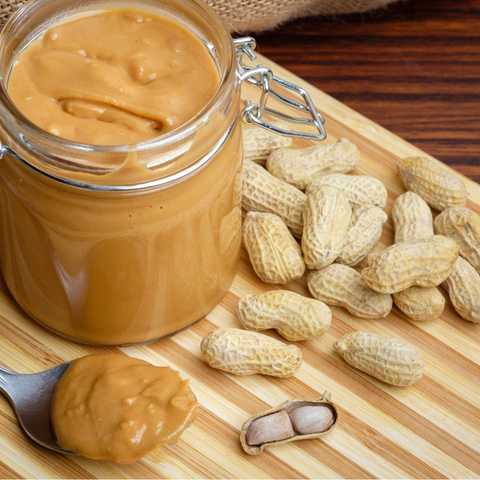
Peanut butter (or your favorite nut butter) is one of the fastest ways to add calories without adding a ton of food volume. It is calorie-dense because of its fat content, which is perfect when you need a surplus but your appetite is not cooperating.
Spread it, blend it, spoon it, or bake it into protein cookies.
Nutrition Facts per 2 tbsp serving: ~190 calories, 16g fat, 8g carbs, 7g protein
5. Olive Oil

Olive oil is not usually the star of the plate, but it is one of the easiest “quiet calorie” additions you can make. Cook with it, drizzle it on rice bowls, or toss it into salads to raise calories without stuffing yourself.
Nutrition Facts per 1 tbsp serving: ~120 calories, 14g fat, 0g carbs, 0g protein
6. Protein Powder

Protein powder is not mandatory, but it is convenient. It helps you hit protein targets without having to chew another chicken breast when you are already full. Macros vary by brand and type, so check the label.
Need help picking one? Here are the 14 Best Protein Powders. Whey is popular post-workout, casein is a common pick before bed.
Nutrition Facts per 1 scoop serving: ~120 calories, 1g fat, 2g carbs, 25g protein
7. Cottage Cheese

Cottage cheese is a bodybuilding classic because it is rich in casein protein, which digests slowly. That makes it a strong option as a pre-bed snack when you want a steady drip of amino acids overnight.
This 7-day meal plan for muscle gain shows other easy ways to plug it into your day.
Nutrition Facts per 1 cup low-fat serving: ~160 calories, 3g fat, 8g carbs, 24g protein
8. Chicken Thighs

Chicken thighs beat chicken breast for many bulkers because they are easier to enjoy consistently. A bit more fat means more flavor and more calories, which is helpful when you are pushing a surplus.
When you shift to cutting, chicken breast often becomes the go-to since it is a great high protein low fat food.
Nutrition Facts per 4 oz serving: ~150 calories, 8g fat, 0g carbs, 20g protein
9. Eggs

Eggs belong on every bulking list because they are versatile, high-quality protein, and easy to build meals around. Scramble them, boil them, make an omelet, toss them into rice, you cannot lose.
Need breakfast ideas? Try these bulking breakfast recipes.
Nutrition Facts per egg: ~72 calories, 4.8g fat, 0g carbs, 6g protein
10. Cheese

Cheese is an easy calorie booster that still brings some protein. Add it to beef, melt it into eggs, top a potato, or snack on a slice of your favorite cheddar.
Nutrition Facts per 1 oz serving: ~116 calories, 9g fat, 0.7g carbs, 7g protein
11. Quinoa

Quinoa is a solid complex carb that also contributes a bit of extra protein. It works as a side, a bowl base, or mixed into meals so you can eat more without feeling like you are forcing food.
It is also a handy veggie protein option.
Nutrition Facts per 1 cup cooked serving: ~222 calories, 3.6g fat, 40g carbs, 8g protein
12. Oats

Oats are a slow-digesting carb that helps keep energy stable and hunger under control. Pair them with protein powder, milk, fruit, and nut butter and you have a bulk-friendly meal that is easy to repeat.
Try this high protein oatmeal recipe.
Nutrition Facts per 1 cup serving: ~300 calories, 6g fat, 54g carbs, 10g protein
13. Sweet Potatoes

Sweet potatoes are a reliable complex carb that plays nicely with almost any protein. If you prefer white potatoes, you can swap them in easily since the macros are similar.
Nutrition Facts per 1 medium potato: ~112 calories, 0.1g fat, 26g carbs, 2g protein
14. Brown Rice

Brown rice has been a staple in muscle-building diets forever for a reason. It is easy to portion, easy to prep, and easy to combine with any protein to create a complete meal.
We like using it in high protein lunches.
Nutrition Facts per 1 cup serving: ~150 calories, 1g fat, 45g carbs, 5g protein
How To Create A Bulking Meal Plan
To bulk successfully, you need a simple system you can follow every day. Here are the three steps that matter most:
- Determine your daily calorie intake.
- Add 200-300 calories and set your daily macros.
- Track and monitor, then adjust based on results.
1) Determine Your Daily Calories
Start by estimating how many calories you burn each day using a total daily energy expenditure calculator.
2) Add Calories and Determine Your Macros
When bulking, a common starting point is 45%-60% carbs, 30%-35% protein, and 15%-30% fat1. A practical baseline many lifters do well with is 50% carbs, 30% protein, and 20% fat.
Once you find maintenance calories, increase by 200-300 calories2 to create a surplus. If you are very active or naturally lean, you may eventually need more, but start conservative and earn the increase.
3) Track Everything
Track what you eat and your weekly average bodyweight. Daily weigh-ins can bounce around, so focus on trends.
If you are consistently hitting calorie goals and weight is not increasing after about 2 weeks, add 100-200 calories per day and reassess the following week.
Bulking Sample Eating Plan
This one-day bulking meal plan is an example for a woman following a 2,300-calorie diet with a 50/30/20 macro split. Use this as inspiration and adjust portions to match your calorie needs, training, and preferences.
Bulk Meal 1: Protein overnight oats
- 1 1/2 cups oatmeal
- 1 scoop vanilla protein powder
- 1 cup blueberries
Nutrition Facts: 500 calories, 7g fat, 73g carbs, 36g protein
Bulk Meal 2: Quinoa and ground beef
- 1 cup quinoa
- 4 oz ground beef
Nutrition Facts: 382 calories, 10g fat, 40g carbs, 33g protein
Bulk Meal 3: Chicken sweet potato hash
- 4 oz chicken thighs
- 1.5 sweet potatoes
- 1 oz cheese
- 1 chopped red pepper
- 1 oz olive oil
Nutrition Facts: 431 calories, 19g fat, 37g carbs, 28g protein
Bulk Meal 4: Salmon and brown rice
- 4 oz salmon
- 2 cups brown rice
Nutrition Facts: 644 calories, 16g fat, 90g carbs, 35g protein
Bulk Meal 5: Greek yogurt parfait
- 2 cups Greek yogurt
- 1 chopped banana
- 1/2 cup blackberries
Nutrition Facts: 324 calories, 0g fat, 47g carbs, 34g protein

How Much Weight Will You Gain While Bulking?
Set realistic expectations. The more advanced you are, the slower muscle gain tends to be. An advanced lifter may be lucky to gain 10-15 pounds of lean muscle in a year, and even that is a big deal.
Your ideal bulking rate depends on training age, starting body composition, and how consistent you are with the process. A useful guideline is this:
Increase your bodyweight by about 0.25%-0.5% per week, which is often around 0.5-1.0 pound per week for many people. This helps keep fat gain under control.
Most bulking cycles run 12-16 weeks, but they can last longer if your diet and training are dialed in and your rate of gain stays controlled.
If you are gaining faster than about 1 pound per week for multiple weeks, you may be adding more fat than you need. Remember, the more fat you gain now, the more you will have to lose later to reveal the muscle you built.

What's the Difference Between A Clean Bulk & Dirty Bulk?
Clean bulking aims to minimize fat gain while building lean mass. The tradeoff is that the scale may move slower, and it can feel less flexible, especially if you are tracking closely and eating out often.
Dirty bulking is essentially “eat a lot of everything,” including plenty of junk food, to gain weight as fast as possible. Dirty bulking can increase inflammation, promote insulin resistance, and raise fat levels in your bloodstream.
Clean bulking takes more patience but tends to make the cutting phase easier. Dirty bulking can feel mentally easier in the moment, but often creates more work later and can leave you feeling sluggish.
FAQs
Any lingering questions on bulking? We will answer them here.
How Long Should a Bulk Last?
A bulk can last as long as you can maintain slow, consistent progress without adding too much fat. A great starting timeframe is 12-16 weeks.
What Do You Do After a Bulk?
After your bulk, you can maintain or cut. If you feel you gained too much fat, cutting will help reveal the muscle you built. If jumping straight from surplus to deficit feels rough, transition by gradually lowering calories to maintenance for a week or two, then move into a cut.
Can You Eat Bulking Foods When You Start a Cut?
Yes. Healthy bulking foods can fit perfectly into a cut. The main change is portion size. During a cut you will usually reduce some higher-fat foods since they are more calorie dense and you will have less wiggle room in your daily total.
Healthy Bulking Foods: Final Takeaways
Bulking works best when you plan ahead. If you do not keep solid options around, you will probably default to junk. Keep fruits on hand for sweet cravings, use nuts and oils to add calories when your appetite is low, and build your meals around protein first.
And remember, on a clean bulk, the gains will come, but it will not happen overnight. Consistency, tracking, and honesty with your weekly progress are what separate a successful bulk from “I kind of tried for two weeks.”
Once you wrap up your bulk and are ready to show off your hard-earned muscle, start planning a cut using these 12 Best Foods For Cutting.

Important: If you have a medical condition (especially metabolic, cardiovascular, kidney, or GI issues) or a history of disordered eating, talk with a qualified healthcare professional or registered dietitian before starting a calorie surplus.
References:
- Helms ER, Aragon AA, Fitschen PJ. Evidence-based recommendations for natural bodybuilding contest preparation: nutrition and supplementation. Journal of the International Society of Sports Nutrition. 2014. doi:10.1186/1550-2783-11-20
- Iraki J, Fitschen P, Espinar S, Helms E. Nutrition Recommendations for Bodybuilders in the Off-Season: A Narrative Review. Sports. 2019. doi:10.3390/sports7070154
0 comments